
Skin Cancer in Skin of Color: What You Need to Know
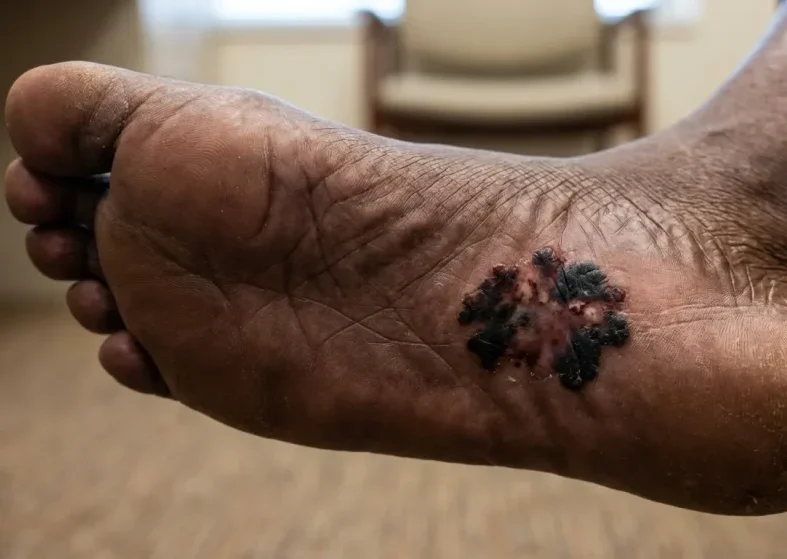
Skin cancer is often perceived as a condition that primarily affects individuals with lighter skin. While it is true that the overall incidence is lower in people with skin of color, this perception can be dangerous. In reality, skin cancer in skin of color is more likely to be diagnosed at a later stage and […]
Vitiligo in Skin of Color: What You Need to Know
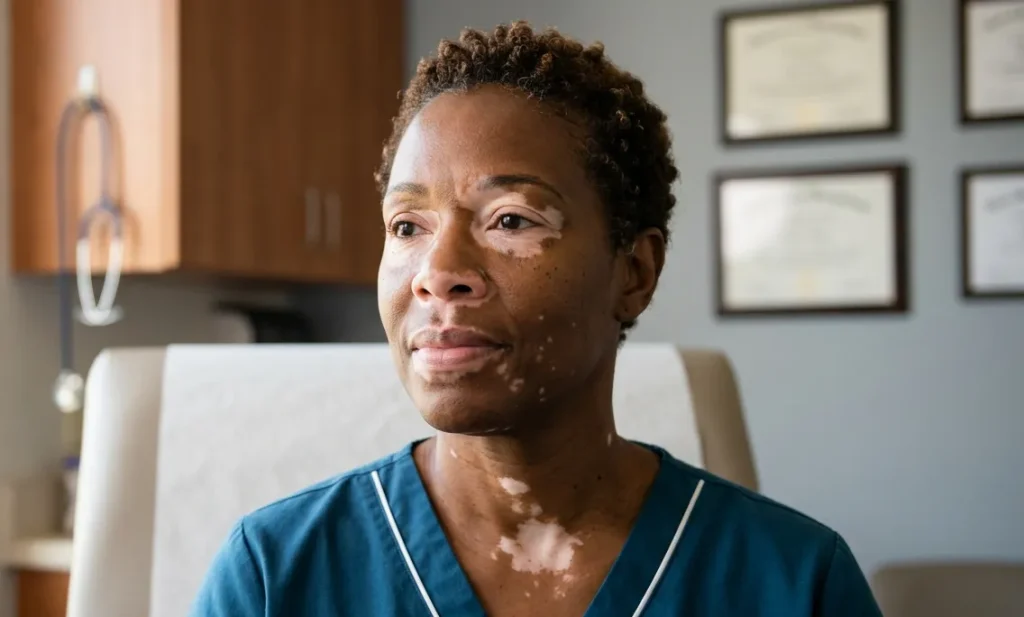
Vitiligo is a chronic skin condition that causes loss of pigment, leading to white patches on the skin. While it can affect individuals of all backgrounds, vitiligo in skin of color is often more noticeable and carries a greater psychosocial impact. Understanding how vitiligo presents, why it occurs, and what treatment options are available is […]
Hidradenitis Suppurativa in Skin of Color
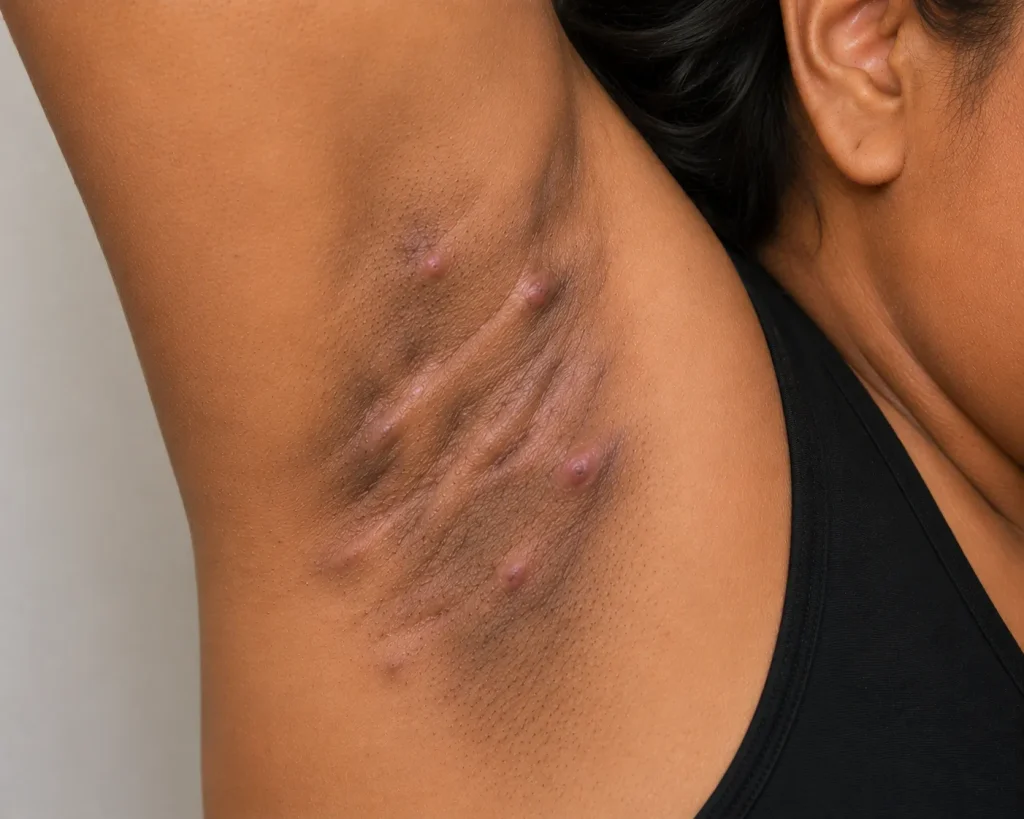
Introduction Recurrent painful bumps under the arms, in the groin, or along the inner thighs are often dismissed as “boils” or ingrown hairs. For many patients with skin of color, these symptoms are not just occasional skin issues—they may be signs of a chronic inflammatory condition known as Hydradenitis Suppurativa. Hidradenitis suppurativa is frequently underrecognized […]
Dermatosis Papulosa Nigra: What You Need to Know

Dermatosis papulosa nigra (DPN) is one of the most common—and most misunderstood—skin conditions seen in patients with skin of color. While entirely benign, these small dark bumps can affect appearance, confidence, and overall skin tone uniformity. What is Dermatosis Papulosa Nigra? Dermatosis Papulosa Nigra is a benign skin condition characterized by multiple small, dark brown […]
Do Skin of Color Need Sunscreen?

Introduction A common question many patients ask is: “Do I really need sunscreen if I have darker skin?” The short answer is yes—absolutely. While skin of color contains more melanin, which provides some natural protection against ultraviolet (UV) radiation, it is not enough to prevent sun damage, skin aging, or pigmentation disorders. In fact, sunscreen […]
Razor Bumps (Pseudofolliculitis Barbae): Causes and Prevention
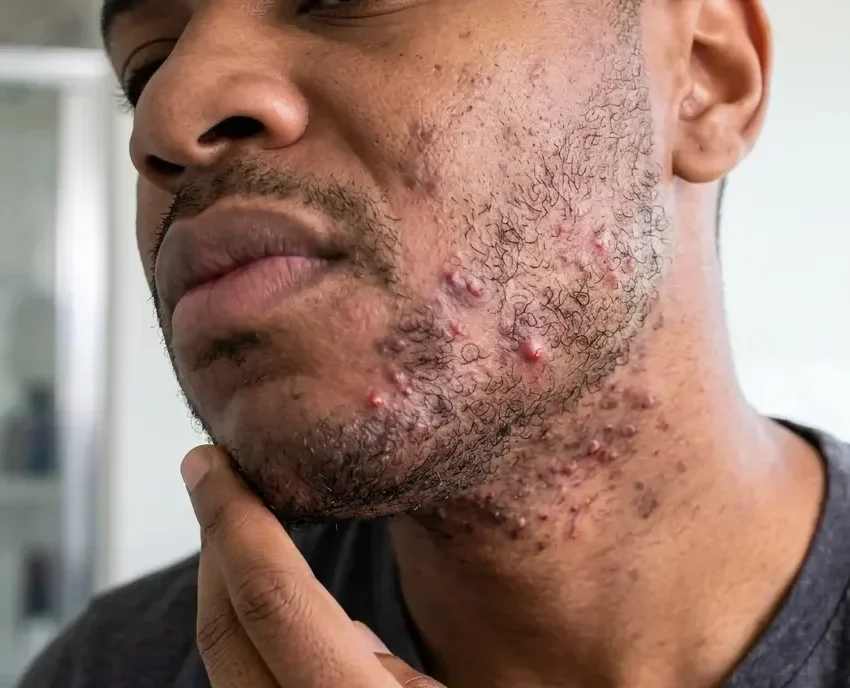
Introduction If you experience painful bumps, irritation, or dark marks after shaving, you may be dealing with razor bumps, also known as pseudofolliculitis barbae. This condition is especially common in men with skin of color and can lead to: Although common, razor bumps are often misunderstood and improperly treated. With the right approach, they can […]
Eczema in Skin of Color: Why It Looks Different
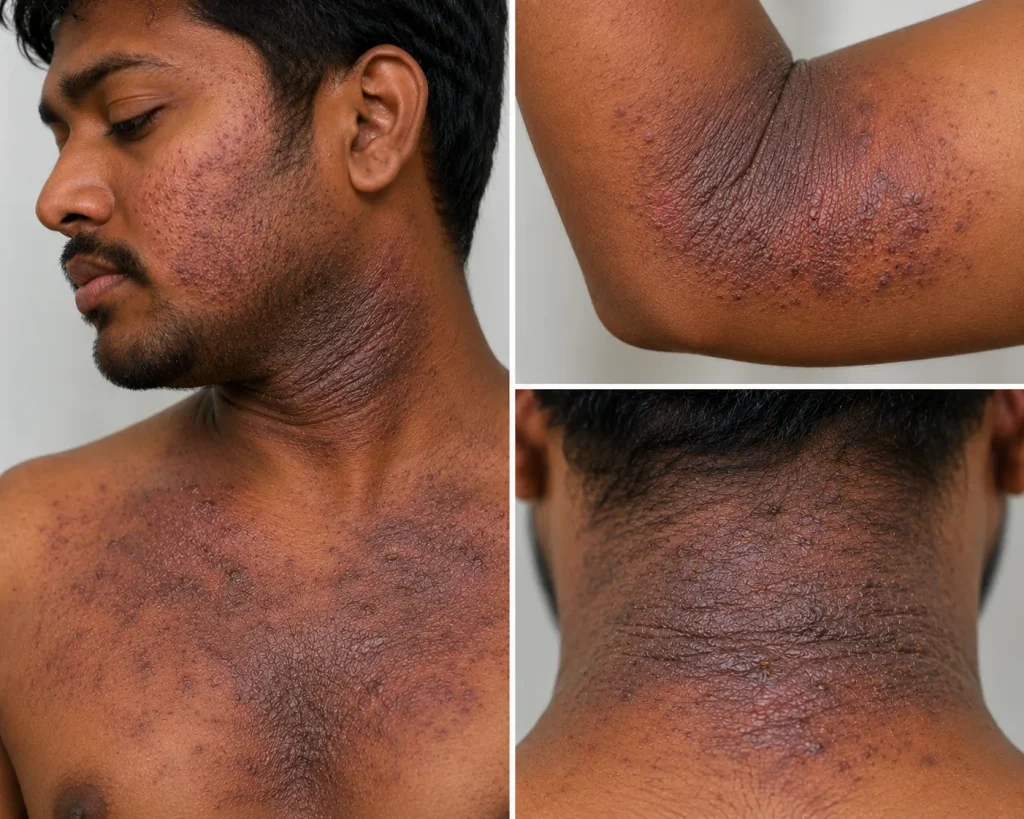
Introduction Eczema is one of the most common skin conditions—but in patients with skin of color, it can present differently. Instead of the classic red rash seen in lighter skin, eczema in darker skin tones may appear: Because of these differences, eczema in skin of color is often misdiagnosed, overlooked, or treated later than it […]
Keloids in Skin of Color: Causes and Treatment
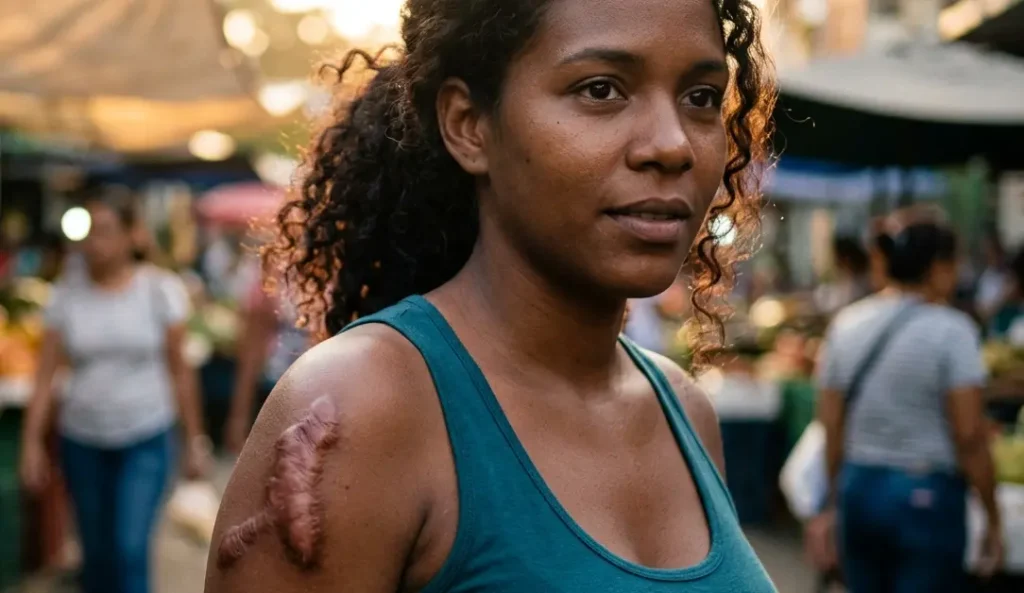
Introduction For many patients with skin of color, even a small cut or piercing can lead to something more noticeable—a raised, thick scar that continues to grow over time. These are known as keloids. Unlike typical scars, keloids do not stay within the boundaries of the original injury. They can expand, become firm, and sometimes […]
Are Chemical Peels Safe for Dark Skin? What Patients Need to Know
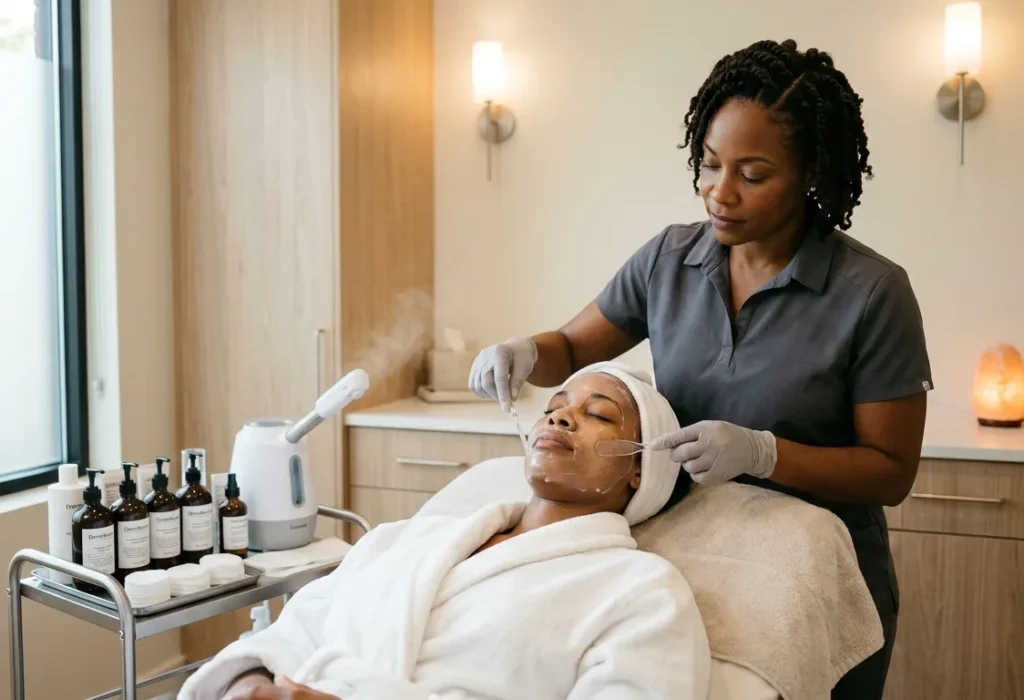
Introduction Chemical peels are a popular treatment for improving skin tone, acne, and dark spots. But if you have skin of color, you may have heard concerns like: So, are chemical peels safe for darker skin tones? The answer is: Yes—when done correctly.But the approach must be different. What Is a Chemical Peel? A chemical […]
Traction Alopecia: When Hairstyles Lead to Permanent Hair Loss
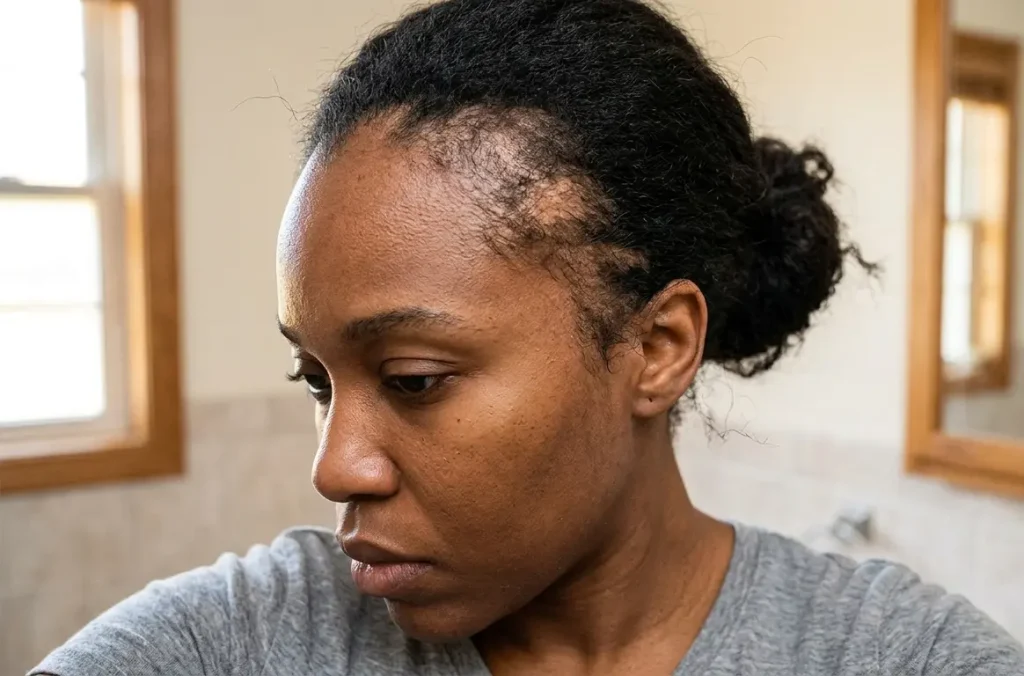
Introduction MMany hairstyles are not just about appearance—they are part of identity, culture, and personal expression. However, certain hairstyles can place repeated tension on the scalp, leading to a type of hair loss known as traction alopecia. In its early stages, traction alopecia is reversible. But if it continues over time, it can lead to […]